
By Regina Walton
We get it—parish life is super busy. Planning worship, responding to pastoral care needs, Vestry business, facilities crises, another email phishing scam to respond to, committee meetings, children and youth programming, the Stewardship campaign letters that haven’t gone out yet . . . and never enough volunteers. Trust us, we know. It’s easy for Christian formation for adults to take a back seat to all the other things.
But, in your congregation right now are adult members who know that they don’t know what they should know about their faith.
Perhaps even most adult members.
Some of them are okay with this–but most of them are not. In this day and age, church attendance is no longer culturally expected but 100% voluntary and competing with many other enticing weekend activities. And so, most of the folks who are prioritizing getting themselves to worship on a regular basis actually have a real hunger to grow in the knowledge and love of God, and to be a good neighbor to all their neighbors near and far, like Jesus taught.
We believe that most of the folks in our pews want to learn about their faith. They want an authentic relationship with God. They have real questions about meaning and purpose, morality and mortality, burning questions about sin and grace and forgiveness and relationships.
They also have had real experiences of God’s presence in their lives that they want to talk about. They may have been hurt by another church in the past, and they want to unpack what happened to them and who they are now in relationship with God and Jesus. They may pray all the time, but never talk to anyone about it; or they may have always wanted to learn how to pray, but no one ever taught them, and now they are too embarrassed to ask.
People like this are in our churches right now, every week.
Some of them even grew up Episcopal.
But, because of a whole host of reasons having to do both with the larger culture and secularization, as well as a rolling Christian formation crisis in our own Episcopal Church (more on that another time), no one ever really taught them the basics of Christian faith in a comprehensive way.
Many of these folks are in our pews because they found a welcoming community, lasting friendships, nourishing worship, meaningful opportunities for service, and fun fellowship.
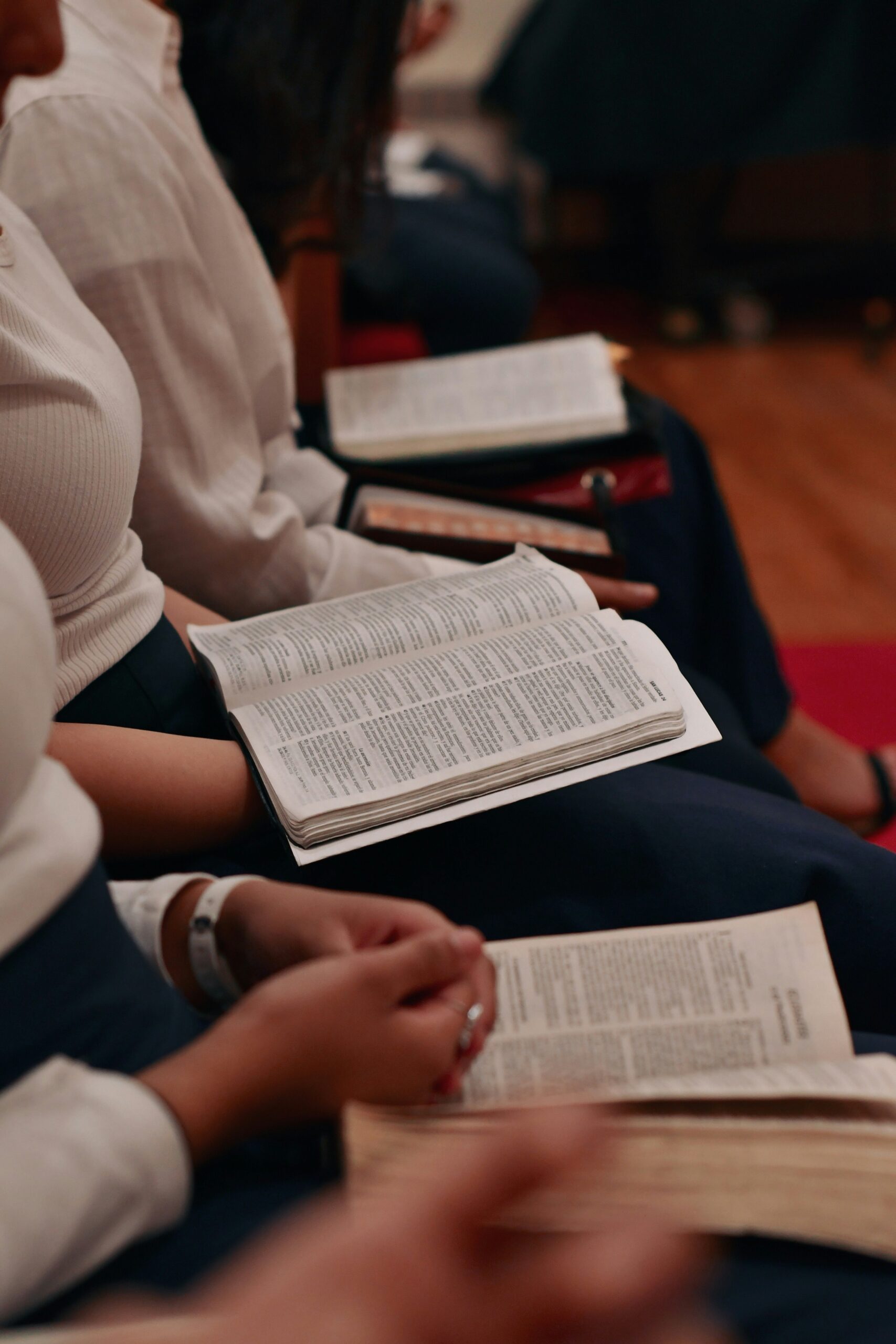
But, they still haven’t learned many of the things that they thought they’d know after all these years of church-going. They still can’t find passages in the Bible on their own. They still don’t feel confident turning to God in prayer when they are not in church. They don’t really know why we do the things we do in worship. And if you asked them to offer the opening prayer at a committee meeting, they might die.
This is why you should regularly offer an Introduction to Christian Faith course at your church—despite all the other competing demands on your time as a leader in your congregation.
Because people want to know God as revealed in Jesus Christ. They are looking at us, the Church People, to help make that happen.
Bible study is important and necessary. Adult formation that engages important issues of the day from the perspective of faith is also important. But, without that deep background, without the opportunity to start from Square One (or Genesis), it’s difficult for the daily habits of following Jesus to take root very deeply.
So, where to begin? There are lots of resources and courses out there—but who has time to research them? Well, the good news is that we on the Cedar team have done this step for you! You can log on to a webinar next week (or watch the recording later) and learn about several options for curricula, and hear from leaders who are using them in their congregations right now.
Join us online and let’s talk about it.
In your church right now, there are adult members who know that they don’t know what they should know about their faith.
You can teach them.
It may change everything.
The Rev. Dr. Regina Walton is Editor and Content Developer for Discipleship Resources at Forward Movement, and a member of the Cedar team.