
By Robert Hendrickson, Chief of Discipleship Initiatives
A number of years ago, a seminary classmate and I traveled together in China. It was 2008, the year of the Beijing Olympics, and Beijing had never looked better—or so it seemed.
Ancient neighborhoods had been bulldozed to make way for gleaming developments. Winding alleys had become polished commercial districts. A street I had known for years, filled with backpacker hostels, cafés, and small shops, had been transformed into a showcase for the “new” Beijing. It even had a Starbucks, built not far from a shop that once sold shirts protesting the destruction of old Beijing.
One morning I woke my friend before dawn and suggested we go watch the flag-raising ceremony in Tiananmen Square. In years past, the crowd had mostly consisted of a few early risers, retirees, and curious visitors. But during the Olympics, the square was packed with tourists.
What struck me most, however, was not the crowd. It was a giant television screen stretching across the square. Beijing’s smog had become so thick that a televised sunrise was projected onto the screen, so people would know when the ceremony was about to begin.
There, amid the haze, a fake sunrise glowed while patriotic music filled the air.
The whole thing felt strangely unreal. So much of the city’s history had been swept away and replaced with a carefully managed image. It seemed fitting that everything revolved around an artificial sunrise.
A few days later, my friend and I left Beijing and headed toward the mountains of what is often called Shangri-La, on the edge of Tibet. After a difficult journey, we arrived at a small inn attached to a monastery high in the Himalayas.
The innkeeper asked if we wanted to sleep on the roof. Despite the cold, we eagerly agreed.
Wrapped in yak-fur blankets, exhausted from travel and altitude, we climbed the stairs and stepped through the rooftop door. Both of us stopped immediately.
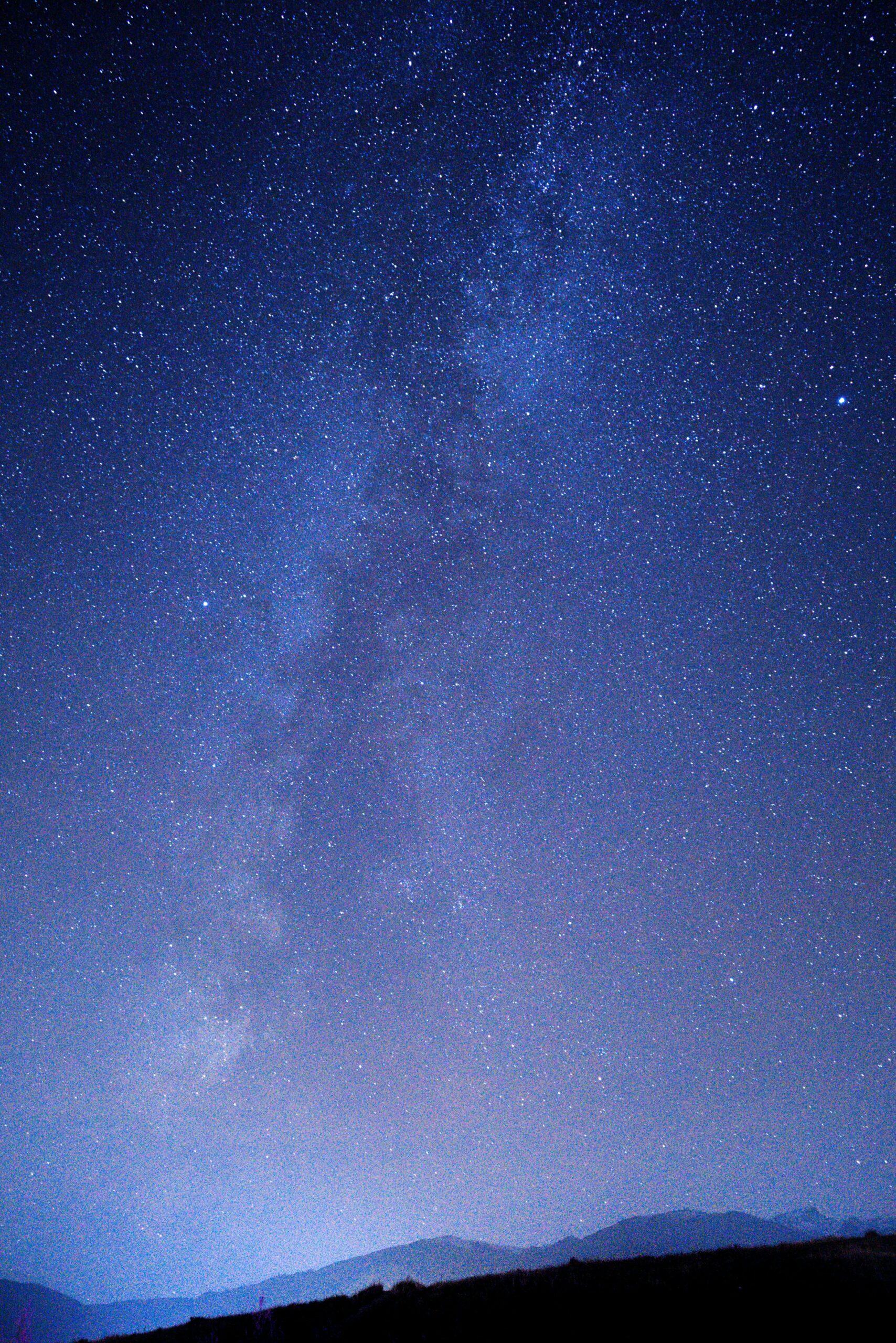
Above us stretched a sky unlike anything we had ever seen.
Living in Manhattan, we had forgotten what darkness looked like. Beijing’s lights and smog had obscured the heavens. But here, at nearly 12,000 feet, above the clouds and far from any city, the stars blazed across the sky.
There was almost no noise. Just the distant sounds of monks finishing their evening prayers, the rustling of horses settling for the night, and the quiet conversation of fellow travelers.
The stars illuminated the mountains and the valley below. We stood speechless, overwhelmed by a reality that had been there all along but that we had rarely been able to see.
In that moment, who we had been seemed far away, and who we might yet become seemed a little clearer.
That experience has stayed with me because it reminds me of faith.
We spend much of our lives focused on false suns—success, politics, screens, anxieties, achievements, and failures. They dominate our attention and convince us they are ultimate. Yet they often leave us disconnected from what is most true.
Discipleship is the journey away from those false lights.
It strips away illusion and invites us to see reality as it truly is. It teaches us humility before the greatness of God and helps us recognize the vastness of a love that surrounds us even when we barely notice it.
The light of Christ is not artificial. It is not manufactured or projected. It is the light that shines in the darkness and has not been overcome.
Yet to glimpse it, we must be willing to take the journey. We must be willing to leave behind what is familiar, to look beyond the distractions that fill our days, and to open ourselves to wonder.
Only then do we begin to see what has been there all along: the immense love of God stretched across the heavens and offered personally to each of us.
[Photo by Weichao Deng on Unsplash]