A guest column by Caitlyn Keith
As the priest in charge of planning Christian formation at my parish, I have come to realize that forming disciples is more than presenting information. Possessing information does not necessarily equal learning; learning does not necessarily equal formation; and formation does not necessarily equal discipleship. Effective Christian formation rarely develops without both personal and relational elements.
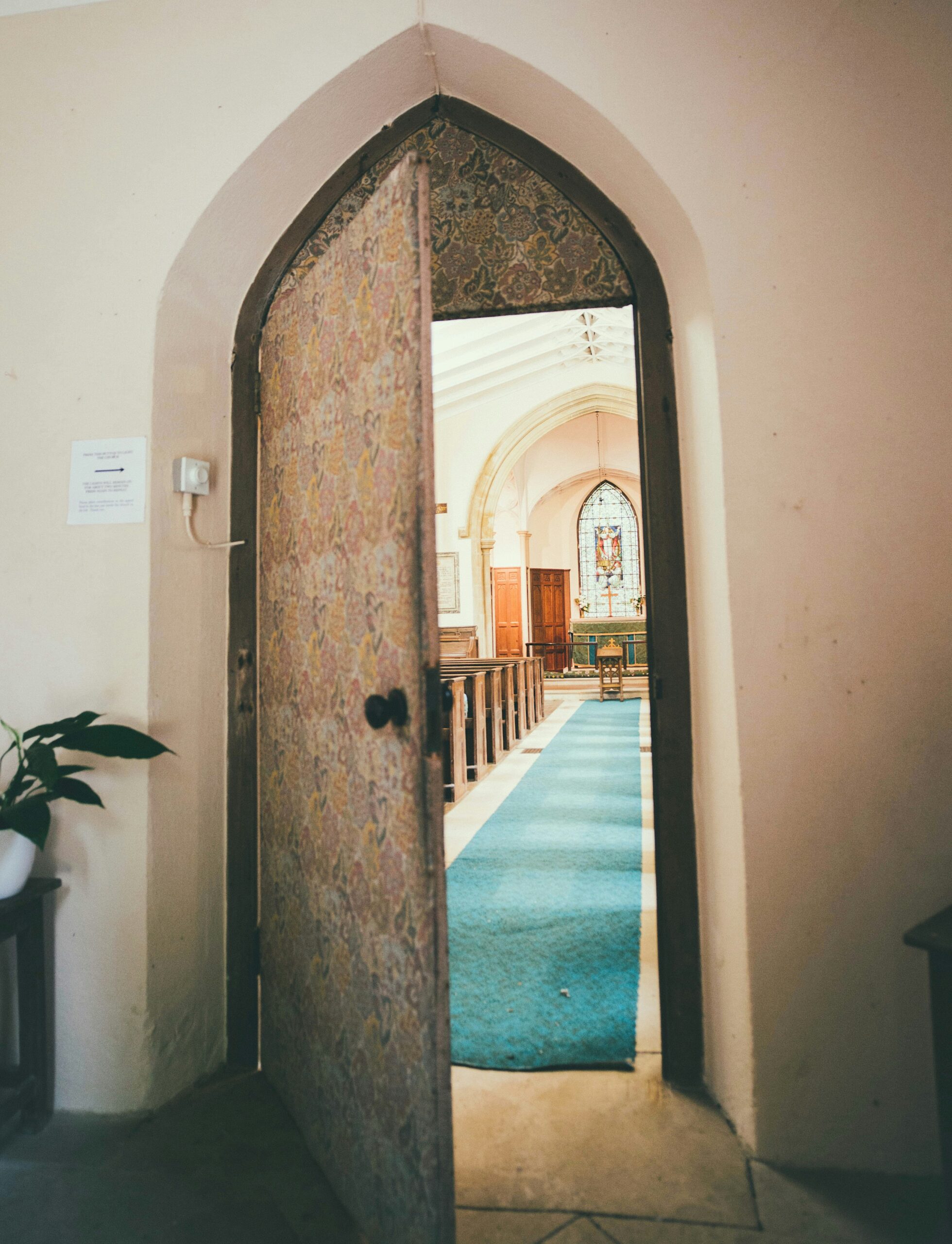
Welcoming new people into our congregations is the same way: we welcome people into discipleship with Jesus through our community, but that welcome is incomplete if it only lives on our splashy website, tidy newcomer kiosk, or the smiling face of the usher. These are important elements of building welcome–but there needs to be something deeply personal and relational included there, too.
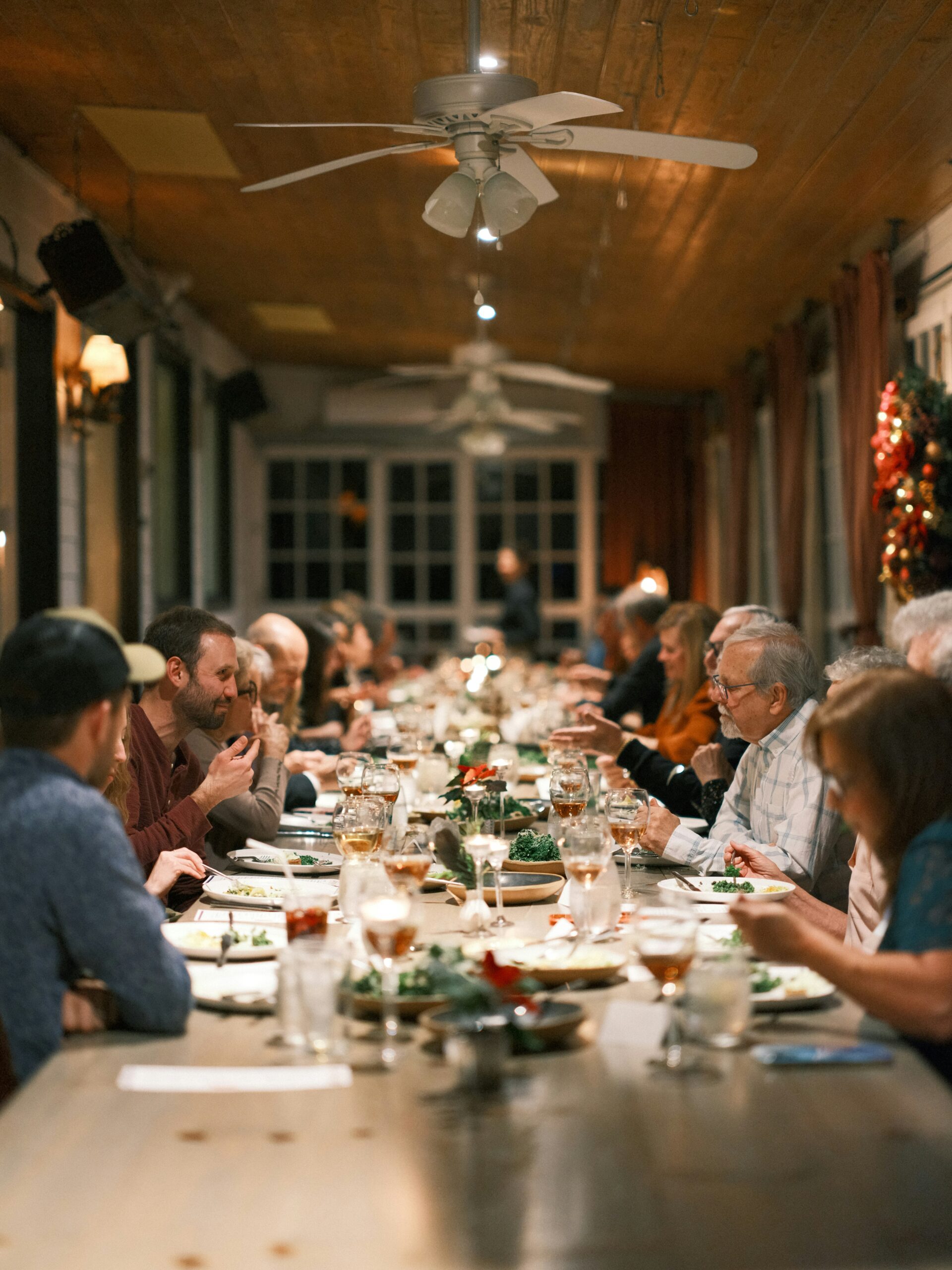
Enter our monthly Welcome Dinners! Every month, newcomers are invited (by announcement and personal invitation) to come have dinner with myself and the rector at our church. Every detail of these dinners is meant to be formational, relational, and to demonstrate what discipleship means in our community.
We always cook the food ourselves in the church kitchen, because we want our church home to feel like it can be their church home, too. There is something homey about arriving at a dinner party where the host is still in their apron dressing the salads. We set out place settings with the nice fabric tablecloths, fresh flowers, and china plates, because everyone who walks in should see that there is a place at the table prepared for them. Instead of banquet rounds, we set long tables pushed together like a big dinner table, because we’re all gathered together. Whether three or thirty people RSVP, we simply make the table longer because there is always room. The food is rarely fancy (think taco bars and spaghetti), because we know that how stories are shared around the table is more important than the menu.
Then we simply get to know people, not in the fleeting small-talk of Coffee Hour, but in sharing our stories eye-to-eye while passing around the bread rolls. We get to know them, and they get to know us outside of the pulpit. It’s only at the end of the meal that we transition to tell the story of our church, and invite them into belonging.
We’ve done close to forty dinners at this point, so our spiel is well-rehearsed! We make it clear what we mean by belonging: for our community, that is “Worship + 2 + Give.” First, we tell folks, come to worship! Come weekly, come as often as you can; it’s the main thing we do here! But then find your “plus two”: something that helps you grow, and something that helps someone else grow. Or, something that feeds you, and something that feeds someone else. And if, after a year, you’ve done these things and you have not grown in faith, then we the clergy have not held up our end of the bargain, and we hope you’ll tell us. And finally, everyone here gives financially. We’ve welcomed more than two hundred people to our dinner table, and have seen the membership of our church transform in the last 5 years.
As the school year begins and you welcome your regular members back with “kickoff Sundays,” take the time to do some routine maintenance on your welcome of new people, and imagine how that welcome might become more than information and casual interactions, but an intentional and robust road to belonging and discipleship.
The Rev. Caitlyn Keith is an Episcopal priest serving at St. Martin’s-in-the-Fields in Columbia, SC, a growing parish in the Diocese of Upper South Carolina. Prior to ordination, she served for nearly 10 years in parishes doing formation and development work, and is an alumna of the Episcopal Service Corps, Berkeley Divinity School at Yale, and the College of William and Mary.